Ultimate Guide To Creating A Blank Timeline
A blank timeline is a powerful tool for organizing thoughts and plans. It provides a clear visual structure to plot out events, projects, or life…
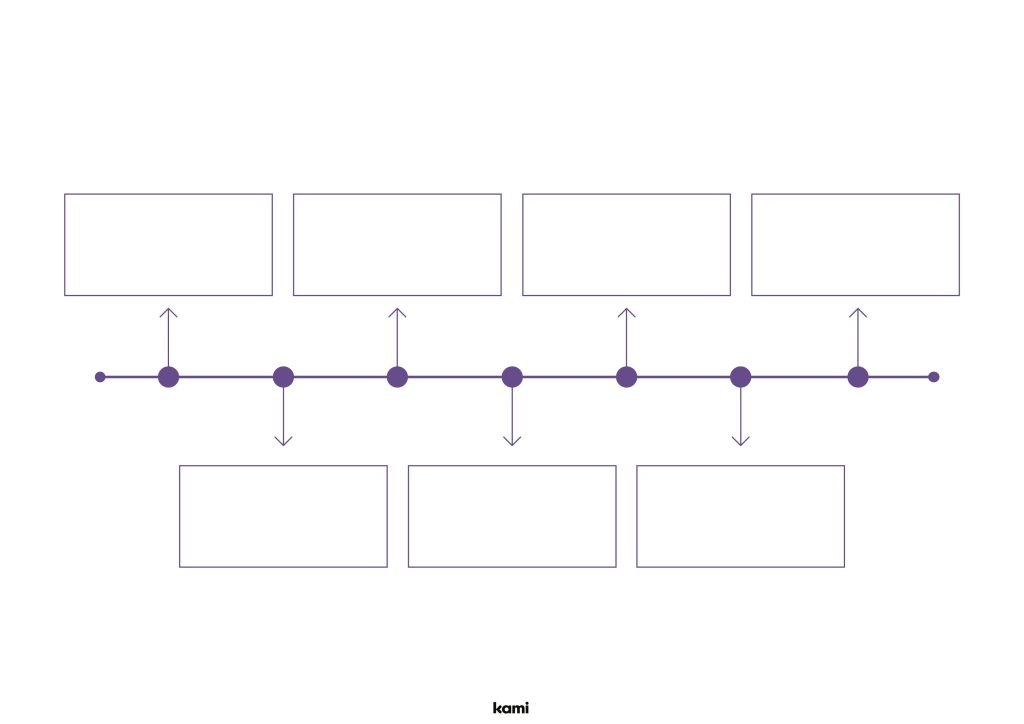
A blank timeline is a powerful tool for organizing thoughts and plans. It provides a clear visual structure to plot out events, projects, or life milestones. With its simplicity and flexibility, a blank timeline can be tailored to suit any purpose or project. Whether you’re mapping out a historical event or planning your daily schedule, a blank timeline is your blank canvas, awaiting your creativity and ideas. Let’s dive into the endless possibilities and benefits of utilizing a blank timeline in your personal and professional life.

Exploring the Fascinating World of Blank Timelines
Introduction
Imagine a timeline as a magical pathway that takes you on a journey through history, helping you understand the sequence of events that shaped the world we live in today. Now, picture a blank timeline waiting eagerly for you to fill it with stories, dates, and significant moments. That’s the beauty of a blank timeline – it’s like a canvas ready to be painted with the brushstrokes of history. In this article, we will delve deep into the concept of blank timelines, uncovering their importance, how to create one, and how they can be used for learning and organizing information.
What is a Blank Timeline?
A blank timeline is a visual representation of time that is devoid of any specific dates or events. It serves as a framework that allows you to plot events in chronological order, making it easier to understand the flow of history or any sequence of events. Think of it as a roadmap that helps you navigate through time, starting from the past, passing through the present, and stretching into the future.
Types of Blank Timelines
There are various types of blank timelines, each serving a different purpose. Some common types include:
- Linear Timelines: These timelines follow a straight line format, displaying events in a linear sequence.
- Vertical Timelines: In vertical timelines, events are arranged from top to bottom, making it easy to see the progression of time.
- Circular Timelines: Circular timelines wrap around in a circle, showing recurring patterns or cyclical events.
Importance of Blank Timelines
Blank timelines play a crucial role in understanding history, organizing information, and visualizing sequences of events. They help us make sense of complex historical narratives, connect the dots between different eras, and identify patterns or trends over time. By creating a blank timeline, you can gain a deeper insight into the passage of time and appreciate how various events are interconnected.
Benefits of Using Blank Timelines
- Enhances Understanding: Visual representation makes it easier to comprehend historical events and their chronological order.
- Encourages Critical Thinking: Filling in a blank timeline prompts you to analyze events, identify their significance, and draw conclusions.
- Organizes Information: Blank timelines help in categorizing and structuring data in a coherent manner.
- Visual Learning Tool: For visual learners, blank timelines serve as a powerful tool to grasp concepts and retain information.
How to Create a Blank Timeline
Creating your own blank timeline is a fun and educational activity that can be customized based on your interests or the topic you are studying. Here’s a simple guide on how to create a blank timeline:
Materials Needed:
- Paper or poster board
- Ruler
- Pencil
- Markers or colored pens
Steps to Create a Blank Timeline:
- Draw a straight line horizontally or vertically on the paper using a ruler and pencil. This will be the main axis of your timeline.
- Divide the line into equal segments to represent different time periods. You can label these segments with numbers or titles (e.g., years, decades).
- Start adding events or milestones along the timeline in chronological order. Use markers or colored pens to make the timeline visually appealing.
- Include brief descriptions or captions for each event to provide context and explanations.
- Feel free to get creative with illustrations, symbols, or colors to make your timeline engaging and memorable.
Utilizing Blank Timelines for Learning
Blank timelines are versatile tools that can be used across various subjects and disciplines to enhance learning and retention. Here are some ways you can leverage blank timelines for educational purposes:
History:
In history classes, blank timelines are invaluable for students to map out key events, historical figures, and periods. By filling in a timeline, students can visualize the sequence of events and understand the cause-and-effect relationships that shaped history.
Literature:
For literature studies, blank timelines can be used to plot the storyline of a novel, play, or poem. Students can identify plot points, character developments, and thematic elements, gaining a deeper appreciation of the literary work.
Science:
In science, blank timelines can illustrate the evolution of scientific discoveries, inventions, or the life cycle of a species. Students can track the progression of scientific advancements and understand how each discovery builds upon the previous ones.
Personal Development:
Beyond academics, blank timelines can be a great tool for personal development. You can create a timeline of your life events, goals, achievements, or challenges, reflecting on your journey and planning for the future.
Blank timelines are more than just empty spaces waiting to be filled; they are windows into the past, present, and future. By embracing the concept of blank timelines, we open ourselves to a world of possibilities where we can visualize, learn, and explore the tapestry of time. So, grab a pencil, draw your timeline, and embark on a historical adventure that will enrich your understanding of the world around you. Happy timelining!
Remove ALL Timeline GAPS with One Click! – Tip #44
Frequently Asked Questions
What is a blank timeline used for?
A blank timeline is used to visually represent the sequence of events or milestones in a chronological order. It helps organize information in a structured format and provides a clear overview of a specific period of time.
How can I create a blank timeline from scratch?
To create a blank timeline from scratch, you can use various tools such as Microsoft Word, Excel, or online timeline generators. Start by determining the start and end dates, then draw a line representing the timeline and label it with dates and event titles along with relevant details.
Why is it important to plan and fill in a blank timeline beforehand?
Planning and filling in a blank timeline beforehand is essential as it allows for better organization of events, helps in identifying dependencies, and ensures that the timeline reflects a logical sequence of events. This proactive approach can prevent oversights and facilitate efficient project management.
Final Thoughts
In conclusion, creating a blank timeline is an effective way to visually organize information and track key events. This simple tool can enhance project planning, historical analysis, and educational purposes. By utilizing a blank timeline, individuals and teams can clearly see the progression of events and identify crucial milestones. Start using a blank timeline today to streamline your workflow and improve your overall project management skills.