Freight Corridor Expansion: Best Proven Opportunities Ahead
Freight corridor expansion opens new opportunities in logistics and warehousing. Discover how this initiative can benefit your business.
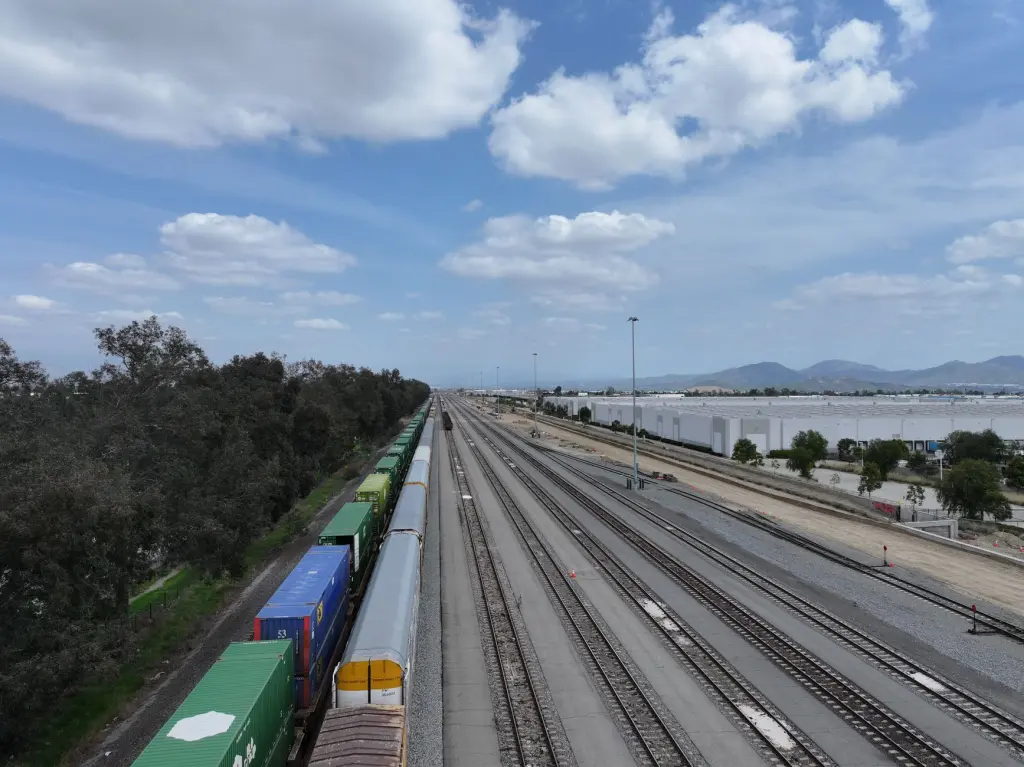
Freight corridor expansion is transforming the logistics landscape in India. With new opportunities arising in warehousing and transportation, businesses can leverage these developments for growth.
Understanding the Freight Corridor Expansion
The freight corridor expansion in India represents a significant leap forward in the logistics and transportation sector. This initiative aims to create dedicated freight corridors that will streamline the movement of goods across the country, improving efficiency and reducing transit times.
Experts suggest that this expansion will not only enhance connectivity between major industrial hubs but also open up new avenues for growth in various sectors. The following are key aspects of the freight corridor expansion:
- Increased Capacity: The new corridors will allow for the transportation of larger volumes of goods, meeting the demands of a growing economy.
- Cost Efficiency: By reducing the distance and time required for freight movement, businesses can save significantly on logistics costs.
- Environmental Benefits: The shift to rail transport for freight is expected to lower carbon emissions compared to road transport.
- Job Creation: New infrastructure projects will generate employment opportunities in construction, maintenance, and logistics.
Overall, the freight corridor expansion is poised to transform India’s logistics landscape, paving the way for a more robust economy.
Key Benefits for Logistics
The expansion of freight corridors presents several key benefits for the logistics industry. As infrastructure improves, transportation efficiency is likely to increase significantly, reducing both time and costs associated with moving goods. This transformation is crucial in meeting the growing demands of supply chains and enhancing overall productivity.
Among the primary advantages are:
- Reduced Transit Times: Enhanced rail networks facilitate quicker deliveries, allowing businesses to respond more dynamically to market demands.
- Lower Transportation Costs: The shift towards freight corridors often leads to decreased operational expenses, which can be passed on to consumers.
- Increased Capacity: Expanded corridors are designed to handle larger volumes of freight, ensuring that logistics companies can scale their operations without facing bottlenecks.
- Environmentally Friendly Options: Moving goods via rail reduces carbon emissions compared to road transport, aligning with sustainability goals.
Overall, the freight corridor expansion promises to revolutionize the logistics landscape, making it a pivotal area for investment and innovation.
Impact on Warehousing
The expansion of freight corridors presents significant implications for the warehousing sector. With improved infrastructure and connectivity, businesses can expect reduced transit times and lower transportation costs.
One of the primary impacts is the ability to establish warehouses closer to major transport routes. This enhances accessibility and allows for quicker turnaround times for inventory management. As a result, companies can optimize their supply chains and respond more effectively to market demands.
Moreover, the freight corridor expansion is likely to attract new players into the logistics market. This increased competition can lead to innovations in warehousing solutions, such as:
- Smart warehousing: Incorporating technology for better inventory tracking and management.
- Automated systems: Enhancing efficiency in sorting and distribution processes.
- Sustainable practices: Adopting eco-friendly solutions in warehousing operations.
Overall, the freight corridor expansion is expected to drive growth and transformation in the warehousing sector, paving the way for new opportunities and improved operational efficiency.
Challenges in Implementation
The expansion of freight corridors presents numerous opportunities, but it is not without its challenges. Stakeholders must navigate a variety of obstacles that can delay or complicate implementation.
- Funding Issues: Securing the necessary capital for large-scale infrastructure projects can be a significant hurdle. Many projects face budget constraints that limit their scope and timeline.
- Land Acquisition: Acquiring land for expansion often leads to disputes and delays, as negotiations with landowners can be protracted and contentious.
- Regulatory Hurdles: Compliance with local, state, and national regulations can slow progress. The multitude of approvals required can create bottlenecks in the project timeline.
- Technological Integration: Adapting existing systems to incorporate new technologies presents its own set of challenges. Companies must ensure that their logistics capabilities align with the expanded corridor’s operations.
- Environmental Concerns: Addressing environmental impacts and ensuring sustainable practices during construction can complicate project execution.
Despite these challenges, the potential benefits of freight corridor expansion make it a pivotal focus for the future of logistics.
Expert Opinions on Future Trends
Experts in the logistics and transportation sectors have weighed in on the ongoing freight corridor expansion, highlighting several promising trends that could shape the industry’s future. According to industry analysts, the expansion is not just about increasing capacity but also enhancing the efficiency of supply chains.
One significant trend noted is the integration of technology in logistics operations. Automation and data analytics are expected to play a crucial role in optimizing routes and reducing transit times, making the freight corridor expansion even more beneficial for businesses.
Moreover, sustainability has emerged as a focal point for future developments. Experts suggest that the expansion will lead to a shift towards greener transportation methods, aligning with global efforts to reduce carbon footprints.
Additionally, the collaboration between public and private sectors is anticipated to further accelerate advancements in logistics infrastructure. As the freight corridor expansion progresses, stakeholders are optimistic about the new opportunities it will create, ultimately transforming the logistics landscape in India.
Case Studies of Successful Adaptation
The freight corridor expansion has shown remarkable adaptability in various regions, leading to enhanced logistics efficiency and reduced transit times. Several case studies highlight successful implementations that serve as valuable models for future projects.
- Western European Corridor: This corridor experienced a significant reduction in cargo delivery times by 30% after the expansion. Enhanced rail connectivity allowed for streamlined operations among major ports and distribution centers.
- Asian Development Corridor: By integrating multimodal transport options, this corridor improved inventory turnover rates for businesses by 25%. The combination of rail and road transport facilitated quicker access to markets.
- North American Trade Routes: The expansion of key freight corridors resulted in a 15% decrease in logistics costs for companies operating in the region, demonstrating the economic advantages of strategic infrastructure investments.
These case studies illustrate the potential of the freight corridor expansion to transform logistics and warehousing landscapes. By learning from these successful adaptations, stakeholders can better navigate challenges and leverage new opportunities.
Photo by Eric Esajian on Pexels