Zero-Balance Bank Account: Is It the Best Free Option?
Zero-Balance Bank Account offers free facilities. Discover RBI’s BSBD solution today!
Zero-Balance Bank Account is gaining popularity among customers seeking hassle-free banking solutions. With RBI’s BSBD initiative, users can enjoy numerous benefits without the burden of maintaining a minimum balance.
What is a Zero-Balance Bank Account?
A zero-balance bank account is a type of savings account that does not require the account holder to maintain a minimum balance. This feature makes it an attractive option for individuals who may struggle to keep a specified amount in their accounts.
The Reserve Bank of India (RBI) introduced the Basic Savings Bank Deposit (BSBD) account to promote financial inclusion and provide easy access to banking services. Below are some key features of a zero-balance bank account:
- No minimum balance requirement: Account holders can maintain a zero balance without incurring penalties.
- Free services: Typically includes free ATM withdrawals, online banking, and fund transfers.
- Limited number of transactions: There may be restrictions on the number of free monthly transactions.
- Interest earnings: Account holders still earn interest on the deposits made in their accounts.
This type of account is particularly beneficial for students, low-income individuals, and those new to banking.
Benefits of RBI’s BSBD Solution
The introduction of the Zero-Balance Bank Account has transformed banking for many individuals, especially those from economically weaker sections. The Reserve Bank of India’s (RBI) Basic Savings Bank Deposit (BSBD) account aims to provide essential banking services without the burden of maintaining a minimum balance.
Some key benefits of this solution include:
- Accessibility: The Zero-Balance Bank Account ensures that even those with limited financial resources can access banking services.
- No Minimum Balance Requirement: Customers are not required to maintain a minimum balance, making it an ideal choice for low-income individuals.
- Free Banking Facilities: Account holders benefit from free ATM withdrawals, online banking, and transfer services.
- Interest Earnings: Despite having no balance requirement, these accounts still earn interest on deposits, allowing customers to grow their savings.
- Financial Inclusion: The BSBD account promotes financial inclusion by attracting unbanked individuals into the formal banking system.
Overall, the Zero-Balance Bank Account serves as a powerful tool for enhancing financial literacy and stability among underserved populations.
How to Open a Zero-Balance Bank Account
Opening a zero-balance bank account is a straightforward process that can be completed in a few simple steps. Here’s how you can get started:
- Research Banks: Begin by researching various banks that offer zero-balance accounts. Look for institutions that provide additional facilities such as online banking, mobile apps, and ATM access.
- Check Eligibility: Ensure you meet the eligibility criteria set by the bank. Some banks may require you to be a certain age or provide specific identification documents.
- Gather Required Documents: Prepare necessary documents, which typically include proof of identity, proof of address, and a passport-sized photograph.
- Visit the Bank: Go to the bank of your choice and request to open a zero-balance account. Fill out the application form and submit your documents.
- Account Activation: Once your application is processed, you will receive your account details along with any debit cards or checkbooks, if applicable.
By following these steps, you can easily open a zero-balance bank account and enjoy the benefits it offers.
Are There Any Hidden Fees?
While a zero-balance bank account offers numerous advantages, it is essential to be aware of potential hidden fees that could impact your banking experience. Many banks promote these accounts as free, but certain conditions may apply.
- Maintenance Fees: Some banks may charge a maintenance fee if account conditions are not met, such as failing to maintain a minimum number of transactions per month.
- ATM Withdrawal Charges: Although you can withdraw cash for free at your bank’s ATMs, using other bank ATMs may incur fees.
- Inactivity Fees: If your account remains inactive for an extended period, banks might charge an inactivity fee, which can diminish your account balance.
- Service Charges: Fees may apply for additional services like checkbooks, debit cards, or mobile banking that could surprise customers.
Therefore, it is crucial to read the fine print and understand all terms associated with a zero-balance bank account before opening one to avoid unexpected charges.
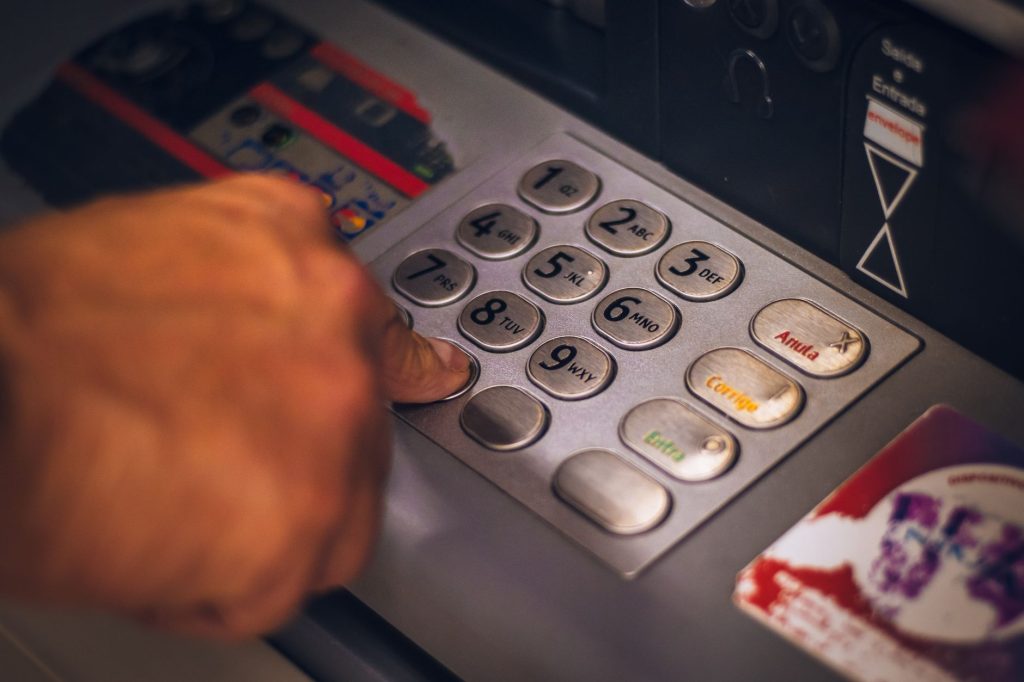
Photo by Eduardo Soares on Pexels