Sensex market tumble: Worst drop since last year
Sensex market tumble shows significant decline amid crude surge and RBI rate hike.
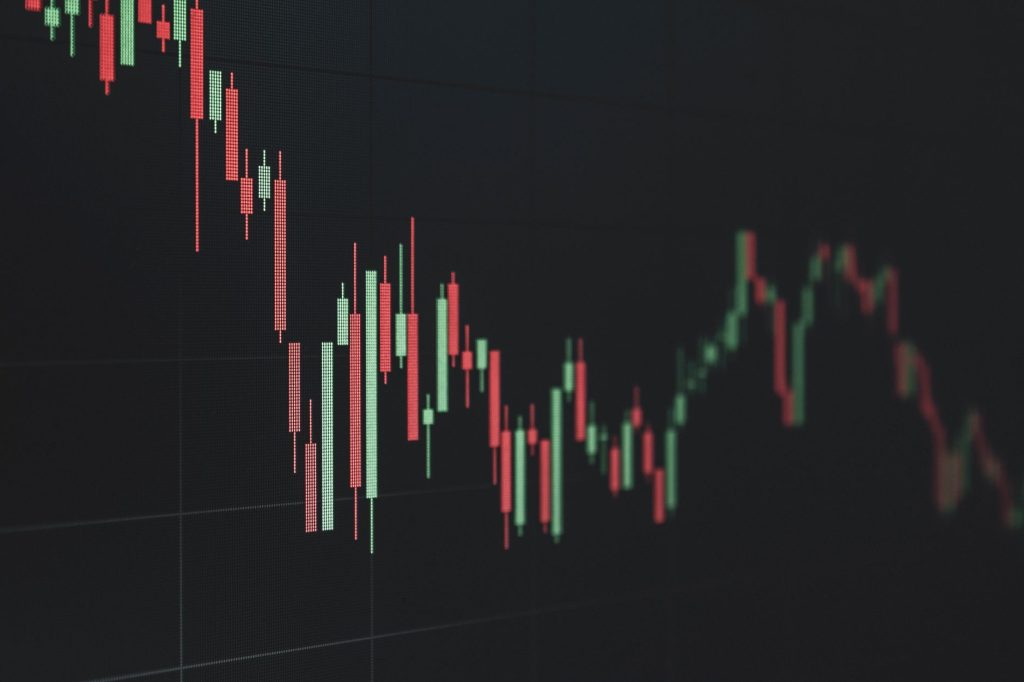
The Sensex market tumble has shocked investors as it dropped 1,045 points, closing near 22,230. This downturn is attributed to rising crude prices and the recent RBI rate hike.
Understanding the Sensex Market Tumble
The recent tumble in the Sensex market has raised significant concerns among investors and analysts alike. This drop, marking the worst decline since last year, was triggered by a combination of factors that have rattled the financial landscape.
One of the primary contributors to the Sensex market tumble was a surge in crude oil prices, which have a profound impact on inflation and overall economic stability. As oil prices soared, fears of escalating costs began to permeate various sectors, prompting a wave of selling across the stock market.
Additionally, the Reserve Bank of India’s (RBI) decision to hike interest rates added to the market’s woes. Higher rates can slow economic growth by making borrowing more expensive, which in turn affects consumer spending and business investment.
Investors are now closely monitoring these developments, as the market reacts to the implications of these changes. The volatility observed in recent days is indicative of the broader uncertainties facing the economy.
- Crude oil price surge
- RBI interest rate hike
- Market reactions to economic indicators
As the situation unfolds, the impact of the Sensex market tumble will likely continue to be felt across various financial sectors.
Impact of Crude Surge on Markets
The recent surge in crude oil prices has significantly affected the Sensex market tumble, marking one of the most severe downturns since last year. Analysts indicate that the increase in crude prices has raised concerns about inflation and its potential impact on economic growth, leading to a wave of selling across various sectors.
Key contributors to this market reaction include:
- Inflationary Pressures: Higher crude prices typically lead to increased transportation and production costs, which can drive up consumer prices.
- Interest Rate Hikes: The Reserve Bank of India’s recent decision to raise interest rates further exacerbates concerns, as higher borrowing costs may dampen investment and consumer spending.
- Market Sentiment: Investor sentiment has turned bearish, with many fearing prolonged economic instability due to the volatile oil market.
As the market grapples with these challenges, experts advise investors to remain cautious. The ripple effects of the crude surge on the Sensex market tumble highlight the interconnectedness of global commodities and domestic economic indicators, emphasizing the need for strategic investment decisions in times of uncertainty.
RBI Rate Hike and Its Effects
The recent RBI rate hike has further exacerbated the situation in the stock markets, contributing significantly to the ongoing Sensex market tumble. Analysts suggest that the increase in interest rates is aimed at curbing inflation, but the immediate impact has been a stark decline in investor confidence.
With the Reserve Bank of India raising the benchmark rates, borrowing costs for businesses and consumers have surged. This move has created a ripple effect across various sectors, leading to:
- Increased lending rates: Higher interest rates mean that loans for expansion or consumption become more expensive, potentially slowing down economic growth.
- Decreased consumer spending: As individuals face higher repayments, discretionary spending is likely to decline, affecting retail and service sectors.
- Market volatility: Investors are becoming wary, leading to sell-offs and increased volatility in the stock markets.
Market experts caution that the Sensex market tumble could persist if investors perceive the rate hikes as a signal of a tightening economy. The interplay between rising rates and a declining market could set the stage for further challenges ahead.
What Investors Should Know Now
The recent Sensex market tumble has left investors reevaluating their strategies and positions. As the market experiences its worst drop since last year, it is vital for investors to stay informed and prepared for further fluctuations.
Here are key points investors should consider:
- Market Volatility: The current situation highlights the unpredictable nature of the market. Investors should anticipate continued volatility in the coming weeks.
- Diversification: It may be prudent to diversify portfolios to mitigate risks associated with concentrated investments, particularly in sectors affected by crude prices and interest rate changes.
- Long-term Perspective: While short-term losses can be disheartening, maintaining a long-term view can help investors navigate through these turbulent times.
- Stay Updated: Keeping abreast of economic news, particularly regarding crude oil prices and RBI policies, can provide insights into potential market movements.
- Consult Financial Advisors: Seeking advice from financial experts can offer tailored strategies based on individual risk tolerance and investment goals.
In summary, the recent Sensex market tumble serves as a reminder of the importance of informed decision-making in investment practices.
Photo by Arturo A on Pexels