Nvidia H200 chip sales: Worst news for China’s tech market
Nvidia H200 chip sales are halted, creating a significant impact on China’s tech industry and supply chain.
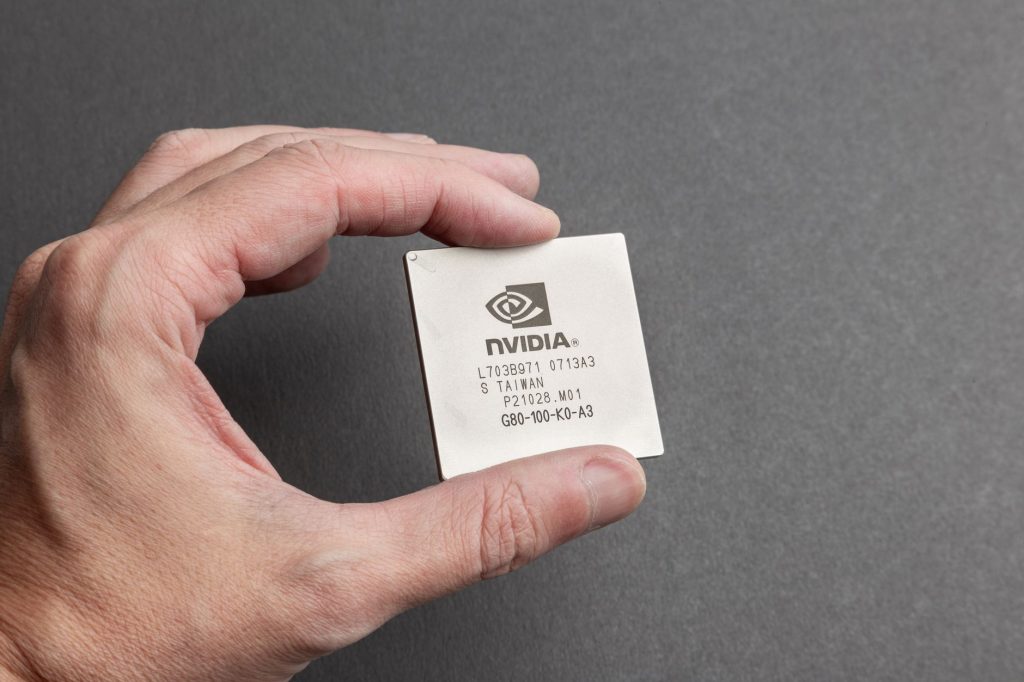
Nvidia H200 chip sales have been halted, marking a critical moment for China’s technology landscape. This decision could reshape the semiconductor market and affect various sectors reliant on these chips.
Impact of Nvidia’s Decision
Nvidia’s recent decision to halt its H200 chip sales to China has sent shockwaves through the tech market. The H200 chip, known for its advanced capabilities in artificial intelligence and high-performance computing, was anticipated to play a crucial role in China’s technological advancements.
The move is expected to have significant ramifications for various sectors, including:
- Artificial Intelligence: Many Chinese companies were relying on the H200 chip to enhance their AI applications.
- Cloud Computing: The chip’s advanced architecture was set to power cloud services that could compete globally.
- Research and Development: Innovation in tech startups may be stifled due to the lack of access to cutting-edge technology.
As a result, the halt in Nvidia H200 chip sales could lead to a slowdown in China’s tech growth, driving companies to seek alternative solutions or face significant delays in their projects. The broader implications of this decision are likely to unfold in the coming months.
Reasons Behind the Halt
Recent developments surrounding Nvidia H200 chip sales have raised concerns in the tech industry, particularly in China. Several factors have contributed to the halt of these chip sales, which may have significant implications for the market.
Firstly, geopolitical tensions between the United States and China have intensified, prompting stricter regulations on technology exports. These regulations aim to limit China’s access to advanced semiconductor technologies, which are crucial for the nation’s tech ambitions.
Secondly, national security concerns have emerged, leading to heightened scrutiny of companies involved in semiconductor production. The U.S. government has expressed worries that cutting-edge chips like the Nvidia H200 could be used to bolster China’s military capabilities.
Moreover, increased competition from domestic Chinese semiconductor manufacturers has led to pressure on international firms. As these local players strive to develop their own technologies, many fear that Nvidia’s decision to halt H200 chip sales may inadvertently bolster their growth.
Overall, these factors combine to create a challenging environment for Nvidia and its stakeholders.
Responses from Chinese Tech Firms
In response to Nvidia’s decision to halt H200 chip sales to China, several local tech firms expressed deep concern over the potential ramifications for the industry. Chinese companies heavily rely on advanced semiconductor technology to drive innovation and maintain competitiveness in global markets.
One major firm, Huawei, stated that the restriction could severely hinder their AI development projects, which are crucial for their long-term strategy. Another leading player, Alibaba, voiced similar worries, emphasizing that the Nvidia H200 chip sales are vital for enhancing their cloud computing capabilities.
Moreover, the Chinese Semiconductor Industry Association released a statement criticizing the move, labeling it as detrimental to collaboration and advancement in technology. They argued that such actions could push local firms to explore alternative sources, potentially leading to a fragmented market.
The overall sentiment among industry leaders is one of apprehension, as the halt on H200 chip sales may not only impact immediate projects but also set back China’s technological aspirations significantly.
Future of Semiconductor Sales
The future of semiconductor sales in China appears increasingly uncertain following Nvidia’s decision to halt H200 chip sales to the region. This move has significant implications for the local tech market, which has been heavily reliant on advanced chips for various applications, including artificial intelligence and data processing.
Experts predict that the restrictions could lead to a slowdown in innovation and development for Chinese tech companies. As they scramble to find alternative sources, many may face challenges in maintaining their competitive edge in the global market.
In light of these developments, industry analysts highlight several key factors that could shape the future landscape:
- Increased R&D Investment: Companies may ramp up research and development efforts to create homegrown alternatives.
- Supply Chain Diversification: Firms might explore partnerships with non-U.S. suppliers to mitigate risks.
- Market Adaptation: Tech firms could pivot towards emerging technologies that do not rely heavily on high-end semiconductors.
The repercussions of Nvidia’s H200 chip sales decision are likely to resonate throughout the semiconductor industry for years to come.
Global Implications of the Halt
The decision to halt Nvidia H200 chip sales to China has significant global implications, particularly for the semiconductor industry. As one of the leading manufacturers of advanced chips, Nvidia’s actions could ripple through supply chains worldwide. China’s tech market, heavily reliant on high-performance computing, stands to face substantial challenges as it seeks alternatives to the H200 chip.
Moreover, this halt may lead to increased demand for semiconductor components from other countries, thereby reshaping global trade dynamics. Countries like the United States, Taiwan, and South Korea could see an uptick in orders as Chinese firms scramble to fill the void left by Nvidia.
Furthermore, the reaction from global investors will be closely monitored. With rising tensions between the U.S. and China over technology exports, firms outside of China may need to reconsider their partnerships and supply chains. The halt on H200 chip sales could not only impact China’s tech sector but also set a precedent for international relations in technology.
Nvidia H200 chip sales have plunged, reflecting the increasing restrictions on technology exports to China. This decline in Nvidia H200 chip sales poses significant challenges for the country’s tech industry, which relies heavily on advanced semiconductor technology.
Photo by Stas Knop on Pexels
Read the original
Related stories
True Colors IPO GMP: Is It the Best Investment Opportunity? · J & J Snack Foods Earnings: Best Q4 Results Boost Shares · Qualcomm India layoffs: What’s the Real Impact on Employees?