Coastal shipping capacity sees a Smart increase ahead
Coastal shipping capacity is expected to increase by 30-40% in the next five years, boosting logistics in the region.
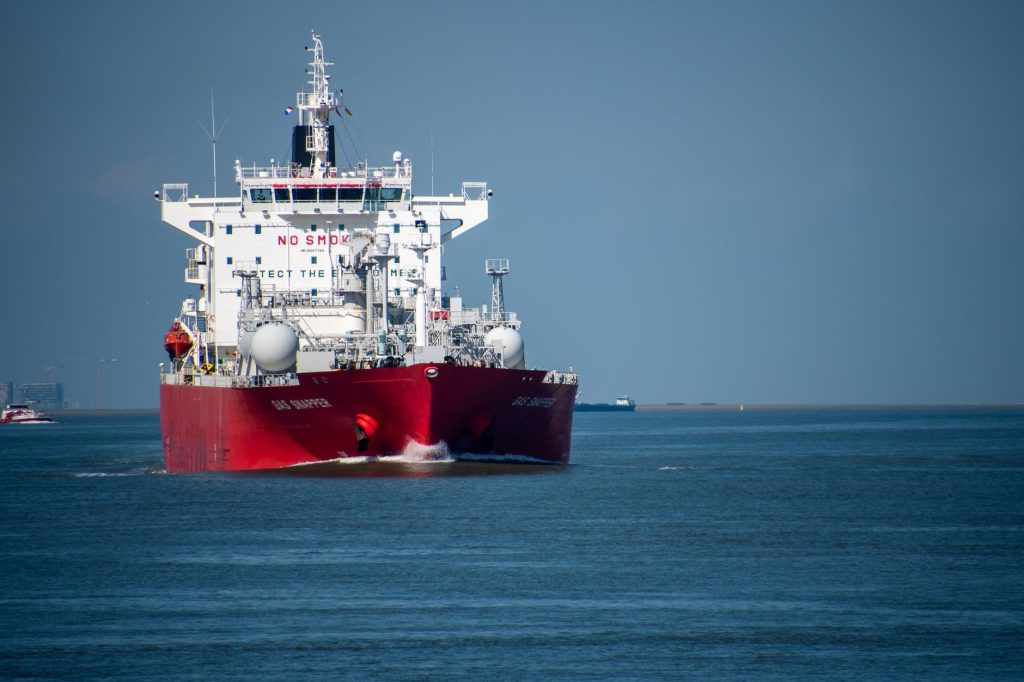
Coastal shipping capacity is set to experience significant growth over the next five years, with projections indicating a 30-40% increase. This expansion promises to enhance logistics in the region.
Current State of Coastal Shipping
The current state of coastal shipping is witnessing significant changes as industry leaders anticipate a substantial increase in capacity. According to recent reports, TCI is targeting a remarkable 30-40% jump in coastal shipping capacity over the next five years. This growth is driven by several factors that are reshaping the logistics and transportation landscape.
One of the primary contributors to this increase is the ongoing investment in infrastructure improvements. Ports are being upgraded to accommodate larger vessels, which will enhance operational efficiency and reduce transit times. Additionally, advancements in technology are enabling better tracking and management of shipping resources, leading to optimized routes and reduced fuel consumption.
Stakeholders are optimistic about the prospects for coastal shipping. Key benefits include:
- Environmentally friendly options that reduce road congestion and lower carbon emissions.
- Cost-effectiveness for transporting goods over shorter distances.
- Increased flexibility in supply chain management.
As the industry adapts to these developments, the potential for growth in coastal shipping capacity remains strong, promising a more efficient future for maritime trade.
Future Projections for Shipping Capacity
As the demand for maritime transport continues to rise, future projections for shipping capacity indicate a significant upward trend. According to industry experts, coastal shipping capacity is expected to see a substantial increase, with estimates suggesting a jump of 30-40% over the next five years. This growth is driven by several key factors.
- Technological Advancements: Innovations in ship design and construction are enabling vessels to operate more efficiently, thereby increasing cargo capacity without compromising safety or environmental standards.
- Regulatory Support: Government initiatives aimed at promoting coastal shipping are likely to facilitate investments in infrastructure, further expanding capacity.
- Environmental Considerations: With a growing focus on sustainability, coastal shipping is positioned as a greener alternative to road transport, attracting more businesses to consider this mode.
- Market Demand: The rise in e-commerce and global trade has created a pressing need for enhanced shipping solutions, pushing companies to expand their coastal shipping capacity.
As these trends unfold, stakeholders across the maritime industry are gearing up to adapt to the evolving landscape, ensuring they are well-prepared for the anticipated growth.
Impact on the Logistics Sector
The logistics sector stands to benefit significantly from the anticipated increase in coastal shipping capacity. With TCI projecting a 30-40% jump over the next five years, various stakeholders are adjusting their strategies to harness this growth. Increased capacity will not only streamline shipping processes but also reduce costs associated with transportation.
As coastal shipping becomes more efficient, companies can expect:
- Faster delivery times: More vessels and improved routes will lead to quicker transport of goods.
- Lower shipping costs: Enhanced capacity allows for economies of scale, making it cheaper to transport larger volumes.
- Environmental benefits: Coastal shipping is often more sustainable than land transportation, reducing carbon footprints.
- Growth in regional trade: Increased capacity can facilitate better intra-regional connectivity, boosting local economies.
Overall, the growth in coastal shipping capacity is poised to transform the logistics landscape, offering improved efficiency and sustainability for businesses reliant on maritime transport.
Challenges Facing Coastal Shipping
The coastal shipping industry is poised to experience significant growth; however, it is not without its challenges. One of the primary issues is the aging infrastructure that many ports currently face. As demand increases, the need for modern facilities and equipment becomes critical to maintain efficiency in coastal shipping capacity.
Moreover, regulatory hurdles can hinder the swift implementation of new projects aimed at expanding capacity. Environmental regulations often require extensive assessments and approvals, which can delay necessary upgrades and expansions.
Additionally, the sector is grappling with a shortage of skilled labor. As the industry evolves, there is a growing need for trained professionals who can operate advanced shipping technology. Without addressing this skills gap, the anticipated growth in coastal shipping capacity may be difficult to achieve.
Another challenge is ensuring sustainability amid the push for increased capacity. The balance between expanding shipping routes and protecting marine ecosystems is delicate, requiring careful planning and collaboration among stakeholders.
- Aging infrastructure
- Regulatory hurdles
- Shortage of skilled labor
- Sustainability concerns
Technological Innovations in Shipping
The coastal shipping industry is on the brink of a significant transformation, driven by technological innovations that promise to enhance operational efficiency and increase coastal shipping capacity. Companies are investing in advanced logistics solutions and digital platforms, allowing for real-time tracking and improved cargo management.
Among the most notable advancements are:
- Automation: The integration of automated systems in ports and on vessels is streamlining loading and unloading processes, reducing turnaround times significantly.
- Data Analytics: Utilizing big data, shipping companies can optimize routes and schedules, leading to improved fuel efficiency and lower operational costs.
- Green Technologies: The adoption of eco-friendly vessels and alternative fuels is not only meeting regulatory demands but also appealing to environmentally conscious consumers.
- Blockchain: This technology enhances transparency and security in shipping transactions, which fosters trust and speeds up supply chain processes.
These innovations are vital as the sector anticipates a 30-40% jump in coastal shipping capacity over the next five years, positioning it to meet growing demand and evolve alongside the global logistics landscape.
TCI’s Strategic Plans for Growth
TCI is implementing strategic plans to significantly enhance coastal shipping capacity in the coming years. With an ambitious goal of achieving a 30-40% increase in capacity over the next five years, TCI is poised to revolutionize the logistics landscape along the coast.
The company’s approach includes:
- Investing in Infrastructure: TCI plans to upgrade existing ports and terminals, ensuring they can handle increased shipping volumes efficiently.
- Expanding Fleet: A commitment to modernize and expand its fleet of vessels will allow for greater flexibility and reliability in coastal shipping services.
- Enhancing Operational Efficiency: By leveraging data analytics and smart technologies, TCI aims to optimize routes and reduce turnaround times.
- Collaborating with Stakeholders: Building partnerships with local governments and businesses will facilitate smoother operations and better integration into the supply chain.
These initiatives not only reflect TCI’s dedication to improving coastal shipping capacity but also aim to address the growing demand for efficient logistics solutions, ensuring that they remain competitive in an evolving market.
Photo by Fred dendoktoor on Pexels