Cochin Shipyard Dividend: Is it the Worst Cash Payout Ever?
Cochin Shipyard Dividend details a 60% cash payout despite profit drops. Check the record date and implications for investors.
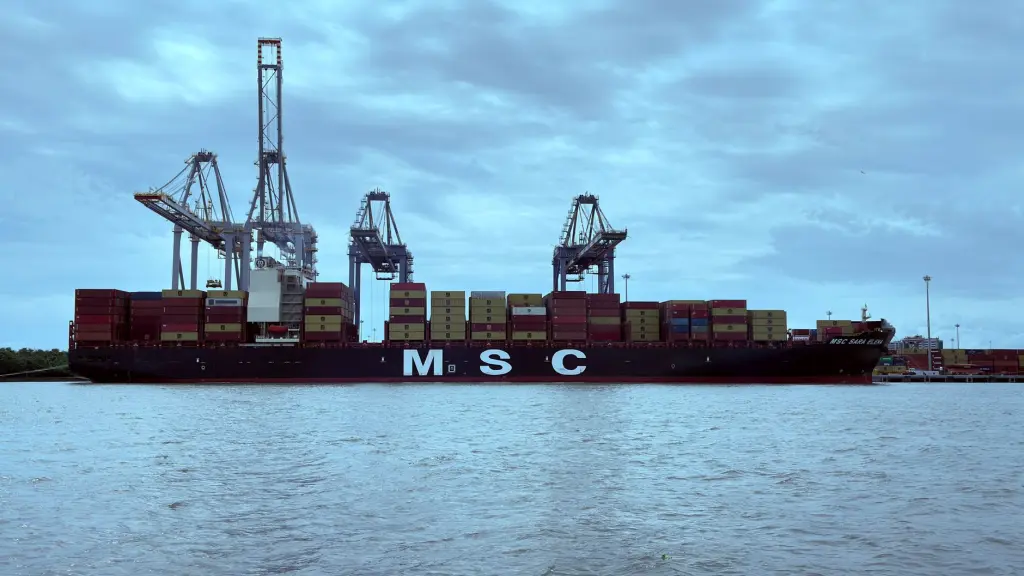
Cochin Shipyard Dividend has been declared at 60% cash payout, despite a significant 50% drop in Q2 profits. This announcement raises questions about the company’s financial health and future prospects.
Overview of Cochin Shipyard’s Dividend
Cochin Shipyard has recently announced its dividend for the year, declaring a substantial 60% cash payout. This decision comes despite a significant drop in profits for the second quarter, with earnings falling by 50%. Observers are left questioning whether the Cochin Shipyard dividend is the worst cash payout ever, given the current financial landscape.
The announcement has sparked discussions among investors, analysts, and market watchers regarding the sustainability of such payouts amid declining profits. Some believe this move could indicate a lack of confidence in future earnings, while others argue it is a strategic decision to maintain investor interest.
Key points to consider include:
- The record date for the dividend has been set, allowing shareholders to plan accordingly.
- The implications of the declining profits on future dividends.
- Market reactions and investor sentiment following the announcement.
As the situation evolves, stakeholders will be monitoring the impact of the Cochin Shipyard dividend on the company’s long-term financial health.
Impact of Q2 Profit Decline
The recent announcement regarding the Cochin Shipyard Dividend has raised eyebrows due to the significant decline in profits. In the second quarter, the company reported a staggering 50% drop in profits, which has led many analysts to question the sustainability of such a cash payout.
Despite the concerning financial results, Cochin Shipyard has declared a 60% cash payout, a decision that could be interpreted in several ways:
- Investor Confidence: The management may be signaling confidence in future earnings, suggesting that current challenges are temporary.
- Market Expectations: Companies often feel pressured to maintain dividend levels to meet shareholder expectations, even during downturns.
- Financial Maneuvering: Some analysts argue that maintaining dividends during profit declines could strain the company’s resources and limit future investments.
As the financial landscape continues to evolve, the implications of the Cochin Shipyard dividend decision remain to be seen, raising questions about the long-term viability of such payouts amidst declining profits.
Record Date for Dividend Payout
The record date for the Cochin Shipyard dividend has been officially announced, creating a buzz among investors. For those looking to benefit from this cash payout, it is essential to note the deadline for eligibility.
The company has set the record date as December 15, 2023. Shareholders who are on the registry by this date will be entitled to receive the dividend, which stands at a substantial 60%. This payout comes despite a significant decline in profits during the second quarter, raising questions about the sustainability of such distributions in the future.
Investors are advised to consider several factors:
- Market conditions affecting the shipbuilding industry
- Future profit forecasts for Cochin Shipyard
- Comparative analysis of past dividend payouts
As shareholders await their returns, the Cochin Shipyard dividend remains a focal point of discussion and analysis in financial circles.
Analysis of Defence PSU Dividends
The recent announcement regarding the Cochin Shipyard dividend has sparked considerable debate among investors and analysts alike. Despite the company’s decision to declare a 60% cash payout, the backdrop of a staggering 50% decline in Q2 profits raises questions about the sustainability of such dividends in the defence public sector undertakings (PSUs).
In evaluating the dividends across the defence PSU landscape, several key factors emerge:
- Profitability Trends: Many defence PSUs have faced challenges in maintaining profitability, which directly impacts their ability to distribute dividends.
- Market Reactions: Investors often respond negatively to declining profits, even if dividends are maintained, leading to volatility in stock prices.
- Long-term Viability: The sustainability of the Cochin Shipyard dividend is in question, as continual profit drops may necessitate cuts in future payouts.
As the analysis unfolds, stakeholders must weigh the implications of the Cochin Shipyard dividend against the broader economic landscape and the company’s operational health.
Investor Reactions to Recent News
Investor reactions to the recent announcement regarding the Cochin Shipyard dividend have been mixed, reflecting a blend of optimism and concern. After the company declared a 60% cash payout despite a staggering 50% drop in Q2 profits, many shareholders have expressed disappointment, questioning the sustainability of such dividends in challenging financial times.
Some investors feel that the dividend is a sign of confidence from management, viewing it as a commitment to returning value to shareholders. Others, however, believe that this could be one of the worst cash payouts ever, considering the significant decline in profitability.
- Positive Reactions: Some investors are pleased with the cash payout, seeing it as a reward for long-term holding.
- Negative Reactions: A segment of the investor community argues that the payout is excessive given the current financial struggles.
- Future Outlook: There is speculation about how future performance might affect the sustainability of the Cochin Shipyard dividend.
As discussions continue, shareholders remain vigilant regarding the implications of this decision on the company’s future.
Future Outlook for Cochin Shipyard
The future outlook for Cochin Shipyard remains uncertain following the recent announcement of its dividend payout. Despite a substantial 60% cash dividend declared amidst a significant decline in Q2 profits, questions loom over the sustainability of such payouts in the coming years.
Analysts suggest that the Cochin Shipyard dividend could be indicative of a trend where companies prioritize immediate shareholder returns over long-term growth strategies. This raises concerns about the financial health of the shipyard, particularly as it navigates challenges in the defence sector.
Moreover, market reactions to the dividend announcements hint at a mixed sentiment among investors. While some view the cash payout as a short-term gain, others worry about potential repercussions on capital reserves that could impact future projects and contracts.
As Cochin Shipyard positions itself to compete in a volatile market, stakeholders will need to keep a close watch on both operational efficiencies and financial strategies to ensure that the dividend policy aligns with the company’s long-term objectives.
Conclusion on Dividend Worth
In conclusion, the recent Cochin Shipyard dividend declaration has left many investors questioning the overall value of the payout. Despite a significant 50% decline in profits for Q2 2026, the company proceeded with a 60% cash dividend. This decision has sparked debate among stakeholders regarding its sustainability and long-term impact on the company’s financial health.
Many analysts argue that while the Cochin Shipyard dividend may appear attractive in the short term, it raises red flags about the company’s ability to maintain such payouts in the future. A few key considerations include:
- Potential impacts of declining profits on operational efficiency.
- The necessity for reinvestment in projects to ensure growth.
- Investor confidence in the management’s strategy moving forward.
Ultimately, while some may view the Cochin Shipyard dividend as a positive gesture, it remains to be seen whether this cash payout is a prudent choice or one of the worst decisions in the company’s history.
Photo by Rahul Kumar on Pexels