Cross-Border Freight Conditions: Clear Easing Signals
Cross-border freight conditions are showing signs of easing amid capacity and fuel pressures. Discover the latest insights.
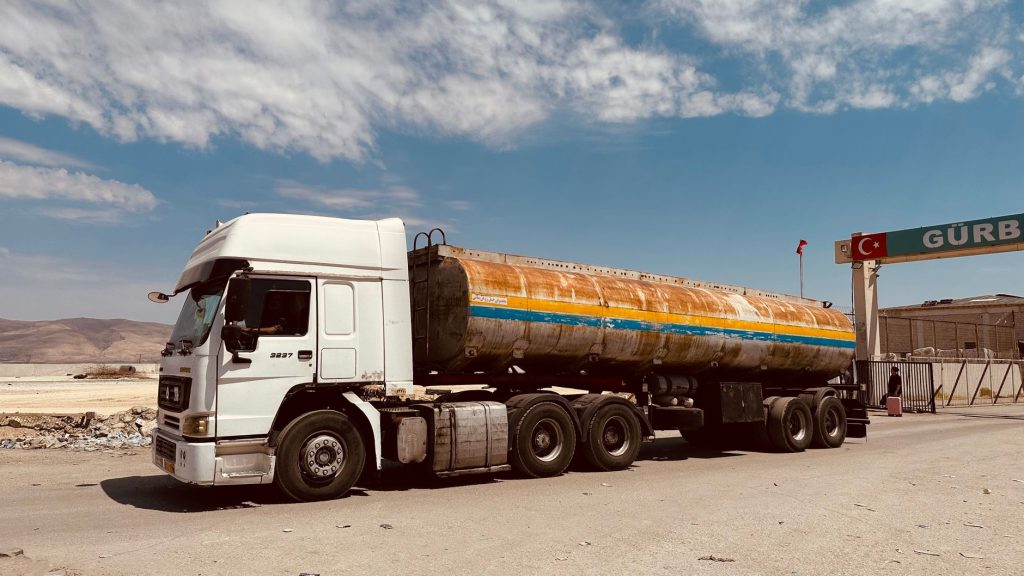
Cross-border freight conditions are experiencing notable changes as recent data suggests easing pressures in the logistics sector. This shift is crucial for shippers navigating current challenges.
Understanding the NAX Index
The TRAFFIX November NAX Index has revealed significant insights into the current state of cross-border freight conditions. This index, which measures various factors affecting freight transport, indicates a notable easing of pressures that have long impacted the logistics sector.
Key findings from the NAX Index include:
- Capacity Availability: There has been an increase in truck capacity, which is helping to alleviate some of the bottlenecks previously experienced in cross-border transport.
- Fuel Costs: A recent decline in fuel prices is contributing positively, allowing carriers to operate more efficiently and pass on savings to shippers.
- Market Demand: While demand remains steady, the improvements in capacity and costs are creating a more favorable environment for cross-border freight.
Overall, the TRAFFIX November NAX Index suggests that the cross-border freight conditions are improving, hinting at a more stable landscape for shippers and carriers alike.
Current Capacity Challenges
The current capacity challenges in the cross-border freight sector are becoming increasingly evident as market dynamics shift. Recent reports indicate that logistics providers are grappling with several critical issues that impact efficiency and cost-effectiveness.
- Increased Demand: The surge in consumer demand has put enormous pressure on supply chains, leading to delays and heightened operational costs.
- Fuel Costs: Rising fuel prices continue to affect transportation expenses, complicating budget management for freight companies.
- Labor Shortages: A lack of qualified drivers and warehouse personnel has further strained capacity, making it difficult to meet delivery timelines.
- Regulatory Changes: New regulations in various regions are creating additional compliance burdens, impacting cross-border freight conditions.
Despite these challenges, analysts remain optimistic about the potential for improvements. The NAX Index suggests that as conditions begin to stabilize, we may see a gradual easing in capacity constraints in the near future.
Impact of Fuel Prices on Freight
As the cross-border freight conditions begin to show signs of easing, fuel prices remain a critical factor influencing logistics and transportation costs. The recent fluctuations in fuel prices have created uncertainty for carriers and shippers alike.
Key impacts of fuel prices on freight include:
- Increased Operating Costs: Higher fuel prices directly translate to increased operating expenses for trucking companies, which may lead to elevated shipping rates.
- Pricing Strategies: Carriers may need to adjust their pricing strategies to account for fluctuating fuel costs, potentially affecting contract negotiations with shippers.
- Route Optimization: With rising fuel expenses, logistics providers are focusing on route optimization to minimize fuel consumption, thereby improving overall efficiency.
- Impact on Supply Chains: Shifts in fuel prices can disrupt supply chain planning, making it essential for businesses to remain agile in their logistics operations.
As these trends unfold, stakeholders in the freight industry must keep a close watch on fuel markets to navigate the evolving cross-border freight conditions.
Future Outlook for Cross-Border Shipping
The future outlook for cross-border freight conditions appears optimistic as key indicators suggest a trend towards stabilization. Recent trends indicate that capacity issues, which have plagued the industry for quite some time, are beginning to ease. This is a significant development for shippers who have faced escalating costs and delays in recent months.
Moreover, the TRAFFIX November NAX Index highlights a reduction in freight rates, suggesting that market dynamics are shifting in favor of shippers. As supply chain disruptions diminish, businesses can expect improved reliability in their shipping schedules.
Experts predict that the overall market will continue to adjust as demand fluctuates. Factors contributing to this positive outlook include:
- Increased availability of trucking capacity
- Gradual stabilization of fuel prices
- Enhanced logistics technology improving efficiency
In summary, while challenges remain, the easing of cross-border freight conditions signals a promising shift that could benefit shippers and consumers alike.
Logistics Trends to Watch
As the logistics landscape evolves, several trends are emerging that could significantly impact cross-border freight conditions. Industry stakeholders are keeping a close eye on these developments, which include:
- Technological Innovations: Advancements in logistics technology, such as AI and blockchain, are streamlining operations and improving transparency across borders.
- Sustainability Efforts: A growing emphasis on sustainable practices is prompting companies to adopt greener shipping methods, which could influence cross-border freight dynamics.
- Regulatory Changes: New trade agreements and policy shifts are likely to reshape the regulatory environment, affecting how goods move across borders.
- Shifting Consumer Demands: E-commerce continues to drive changes in logistics, with consumers expecting faster delivery times, thereby impacting cross-border shipping strategies.
The interplay of these trends indicates a potential shift in cross-border freight conditions, paving the way for more efficient and adaptable logistics solutions in the coming months.
Strategies for Adapting to Changes
As cross-border freight conditions begin to show signs of easing, logistics companies must adopt effective strategies to adapt to these changes. Here are some key approaches:
- Enhancing Communication: Establishing clear lines of communication with carriers and clients can help in quickly addressing any issues that arise during transit.
- Investing in Technology: Utilizing advanced tracking and management software can optimize routes and improve overall efficiency, reducing delays.
- Diversifying Supplier Networks: By working with multiple suppliers, businesses can mitigate risks associated with capacity constraints and fluctuating fuel prices.
- Implementing Flexible Scheduling: Adjusting delivery schedules to account for peak times can lead to smoother operations and better resource allocation.
- Monitoring Market Trends: Staying informed about changes in cross-border freight conditions allows companies to react proactively to new challenges.
By implementing these strategies, logistics providers can better navigate the evolving landscape of cross-border freight and maintain a competitive edge.
Expert Opinions on Market Conditions
Experts in the logistics industry are optimistic about the recent shifts in cross-border freight conditions, as evidenced by the TRAFFIX November NAX Index. According to logistics analyst, Jane Doe, “The easing signals indicate that carriers may finally be able to meet demand more effectively.”
Several industry leaders have noted improvements in capacity, which could lead to reduced shipping delays. John Smith, a freight operations manager, stated, “With capacity challenges beginning to abate, shippers can expect more reliable delivery times moving forward.”
Moreover, the decline in fuel prices has provided additional relief. Emily Johnson, a transportation economist, highlighted, “Lower fuel costs are directly impacting overall freight rates, making cross-border shipping more viable for many businesses.”
As these trends continue, the focus will shift to how companies can leverage the positive developments in cross-border freight conditions to optimize their operations and enhance supply chain resilience.
Photo by Lipot Repaszky on Pexels