Tanker Rates Impact Trade: The Proven Effects on Crude Flow
Tanker rates impact trade in significant ways, altering crude oil logistics and market dynamics.
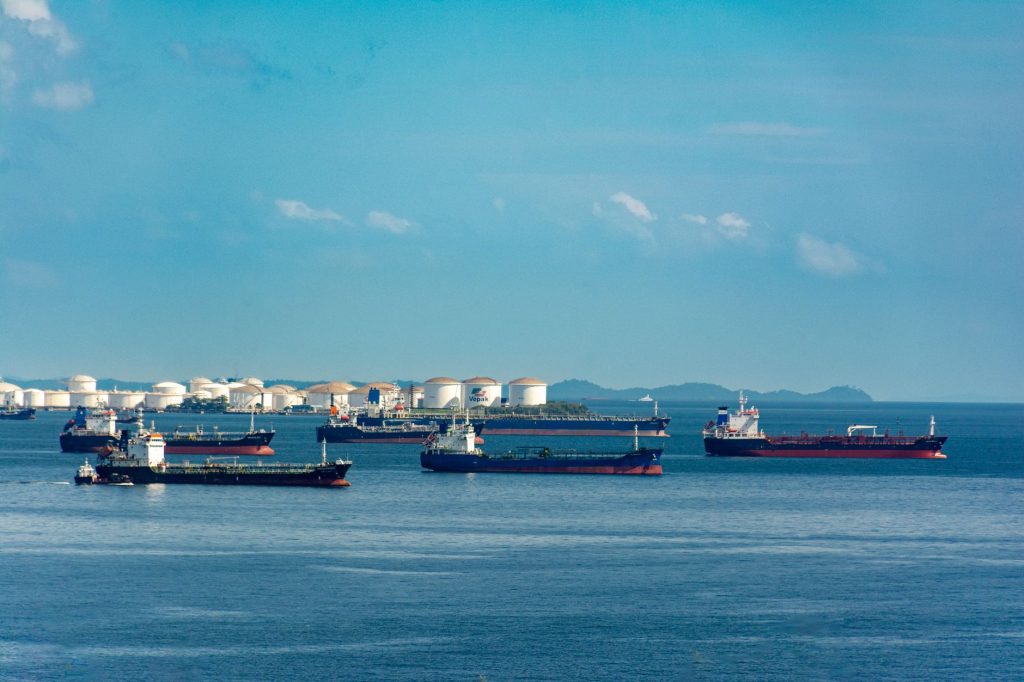
Tanker rates impact trade in the crude oil market, reshaping logistics and trade flows globally. As rates soar, the consequences ripple through the industry, affecting supply chains and pricing strategies.
Understanding the Current Tanker Rates
As global demand for oil fluctuates, understanding the current tanker rates is crucial for navigating the complexities of crude trade. Recent reports indicate that tanker rates have reached unprecedented levels, significantly shifting trade dynamics across the industry.
Several factors contribute to these soaring rates:
- Increased Demand: A rise in oil consumption in emerging markets has put pressure on tanker availability.
- Supply Chain Disruptions: Ongoing geopolitical tensions and logistical challenges have led to delays, driving prices higher.
- Environmental Regulations: Stricter emissions standards necessitate the use of more advanced, and often more expensive, vessels.
These elevated tanker rates impact trade by altering the routes and methods used for transporting crude oil. As traders adapt to these conditions, the implications for global oil supply chains are profound. Ultimately, the changes in tanker rates directly influence how oil flows across borders, reshaping the landscape of international trade.
How Tanker Rates Affect Crude Oil Trade
The current landscape of tanker rates has significant implications for the global crude oil trade. When tanker rates surge, they create a ripple effect that alters the flow of crude oil across various markets. These elevated costs can lead to several key outcomes:
- Increased Shipping Costs: Higher tanker rates directly elevate the expenses associated with transporting crude oil, making it less economically viable for some exporters.
- Market Shifts: As shipping becomes more expensive, traders may prioritize alternative routes or even different grades of oil that are more cost-effective to transport.
- Supply Chain Adjustments: Countries reliant on imported crude may face disruptions, leading to strategic adjustments in their supply chains and procurement processes.
- Long-term Contracts: In response to fluctuating tanker rates, companies might secure long-term shipping contracts to stabilize costs, impacting market dynamics.
Thus, the relationship between tanker rates and trade is crucial, as these rates significantly influence crude oil flow and market transactions.
Market Reactions to Changing Shipping Costs
Recent fluctuations in tanker rates have sent ripples through the global trade landscape, directly impacting the flow of crude oil. As shipping costs surge, market participants are adjusting their strategies to cope with the changes. Analysts note that these increased costs are forcing companies to rethink their shipping routes and logistics.
In response to rising rates, several key trends have emerged:
- Shift in Supply Chains: Many traders are exploring alternative transportation methods or routes that offer lower costs.
- Increased Focus on Efficiency: Companies are investing in technology to optimize their shipping processes and reduce expenses.
- Market Speculation: Higher tanker rates are leading to increased speculation, as traders attempt to predict future movements in shipping costs.
Overall, the impact of tanker rates on trade is significant, as they shape the dynamics of the crude oil market and influence global supply and demand. The ongoing adjustments illustrate how interconnected the shipping industry is with broader economic trends.
Future Projections for Tanker Rates and Trade
As the global economy continues to evolve, future projections for tanker rates suggest significant implications for international trade. Analysts predict that tanker rates will remain volatile, influenced by factors such as geopolitical tensions, environmental regulations, and fluctuations in oil demand. These dynamics could lead to higher shipping costs, ultimately impacting the flow of crude oil across borders.
In the coming years, trade routes may be reshaped as companies seek to mitigate rising expenses. This shift could encourage a diversification of suppliers, promoting regional partnerships and reducing reliance on traditional oil-producing nations. Additionally, the emergence of alternative energy sources may alter the demand for crude oil, further affecting tanker rates.
Market experts emphasize the importance of staying informed about these trends, as businesses must adapt to the ever-changing landscape. Effective strategies will be crucial to navigate the challenges posed by fluctuating tanker rates and their impact on trade.
- Political instability in key regions
- Environmental legislation
- Technological advancements in shipping
The fluctuations in tanker rates impact trade significantly, influencing the cost of transporting crude oil across the globe. As these rates rise or fall, the overall dynamics of how and where crude flows can shift dramatically, demonstrating just how much tanker rates impact trade.
Photo by Zifeng Xiong on Pexels