India Coal Output: Proven Ways to Boost Energy Production
India coal output is set to reach record levels by 2026, according to a new World Bank report that highlights growth potential.
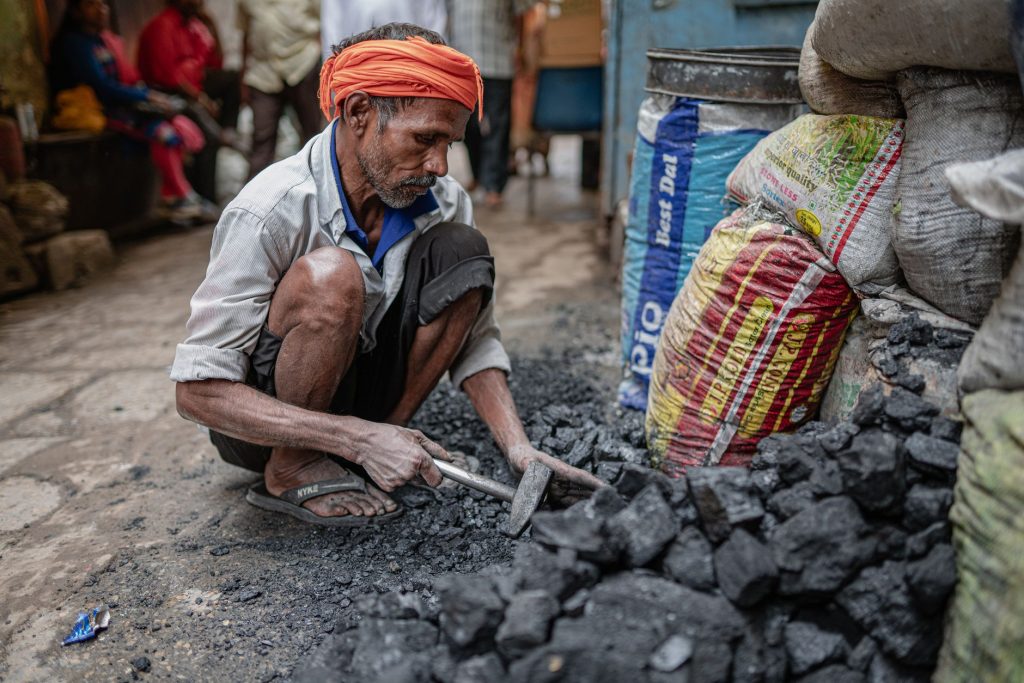
India coal output is projected to hit record levels by 2026, as highlighted in a recent World Bank report. This growth indicates significant advancements in the country’s energy sector.
Overview of India’s Coal Industry
India’s coal industry plays a pivotal role in the nation’s energy landscape, with coal output being a significant contributor to electricity generation. As one of the largest producers and consumers of coal globally, India is set to witness remarkable growth in its coal output in the coming years, driven by both domestic demand and government initiatives.
The government has prioritized coal production as part of its energy strategy, aiming to ensure energy security and reduce dependence on imports. Key factors contributing to the growth of India’s coal output include:
- Increased Investment: The Indian government and private sector are investing heavily in coal mining infrastructure and technology.
- Policy Reforms: Streamlined regulations and policies have made it easier for companies to obtain mining licenses.
- Rising Energy Demand: Rapid industrialization and urbanization have led to a surge in energy needs, further boosting coal production.
- Focus on Clean Coal Technologies: There is a growing emphasis on developing cleaner coal technologies to minimize environmental impacts.
With these measures in place, India’s coal output is expected to reach record levels by 2026, according to a World Bank report. This growth is crucial for supporting the country’s ambitious economic goals and energy requirements.
Projected Growth in Coal Output
The World Bank report projects a significant increase in India’s coal output, with expectations to reach record levels by 2026. This anticipated growth is driven by a combination of factors aimed at enhancing energy production to meet the growing demand.
Key factors contributing to this projected increase include:
- Investment in Infrastructure: The Indian government plans to invest heavily in coal mining infrastructure, which will streamline operations and boost production capacity.
- Technological Advancements: Adoption of new technologies in coal extraction and processing will improve efficiency, reducing costs and increasing output.
- Policy Support: Incentives for domestic coal production, such as subsidies and regulatory reforms, are expected to encourage investment in the sector.
- Increased Demand for Energy: With a rapidly growing population and industrial sector, the demand for reliable energy sources is pushing coal output higher.
As India continues to expand its energy portfolio, the focus on coal remains critical to ensure a steady supply of energy. This growth not only supports the country’s economy but also plays a vital role in achieving energy security.
Impact of Coal Production on Economy
The impact of coal production on India’s economy is significant, as it plays a crucial role in supporting various sectors and driving development. As the country aims to increase its coal output, several factors contribute to its economic implications.
Firstly, the coal industry generates substantial employment opportunities, providing jobs to millions of people across mining, transportation, and related sectors. This not only aids in poverty alleviation but also contributes to improved living standards for many families.
Secondly, increased coal output enhances energy security. With a growing population and rapid industrialization, the demand for energy is on the rise. By boosting coal production, India can reduce its dependence on imported energy sources, thus stabilizing energy prices and ensuring a more reliable energy supply.
Moreover, higher coal output can lead to increased revenue for the government through taxes and royalties. This additional revenue can be reinvested into infrastructure, education, and healthcare, further stimulating economic growth.
Lastly, the coal sector’s expansion is vital for supporting ancillary industries, including manufacturing and construction. Overall, the impact of coal production on India’s economy is profound, making it essential for future growth and sustainability.
Challenges Facing the Energy Sector
The energy sector in India faces multiple challenges that can hinder the growth of coal output and overall energy production. These challenges include:
- Regulatory Hurdles: Complex regulations and bureaucratic delays often slow down new projects, making it difficult for companies to ramp up coal production efficiently.
- Environmental Concerns: Increased awareness of climate change has led to stricter environmental regulations, which can limit the expansion of coal mining operations and impose additional costs on companies.
- Infrastructure Limitations: Inadequate transportation infrastructure can disrupt the supply chain, leading to inefficiencies in getting coal from mines to power plants.
- Financing Issues: Securing investment for coal projects can be challenging, especially with the global shift towards renewable energy sources and the withdrawal of funding from fossil fuel initiatives.
- Competition from Renewables: As renewable energy sources become more cost-effective, they pose a growing competition to coal, which may affect future investments in coal output.
To ensure that India meets its growing energy needs, addressing these challenges is crucial for boosting coal output and securing a stable energy supply.
To enhance India coal output, investing in modern mining technologies can significantly increase efficiency and reduce environmental impact. Additionally, fostering public-private partnerships will play a crucial role in maximizing India coal output for sustainable energy growth.
Photo by Mahmut Yılmaz on Pexels